

-
 Damaging winds, tornadoes, and flash flood risk will continue throughout the weekend across the Southeast into the Mid-Atlantic.
 -
 City of Orange BeachIsaias strengthened into a Category 1 hurricane late on Wednesday and is expected to make landfall near the Alabama-Florida line by Saturday morning.


-
 We love our beaches. We build homes beside them, vacation on them, and spend billions of dollars trying to keep them from disappearing. But beaches are supposed to move—and as sea levels rise, keeping them in place is becoming more expensive, more difficult, and possibly impossible.So what happens when the sand, the money, and the time start running out?
 -
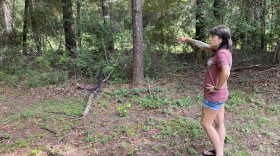 Nearby residents are concerned that the excavation project would bring traffic issues, along with air and water pollution.
 -
 What does it take to bring a seabird back from the brink—and can we keep it there? We travel from a rocky island off Maine to a tiny restored island in coastal Louisiana to learn the astonishing comeback stories of puffins and pelicans. This is a hopeful story about how innovative ideas can save wildlife — and asks whether they're enough in a rapidly changing world.
 -
 At approximately 1,332 square miles, the low oxygen area is the second-smallest in four decades of measurement.
 -
 Throughout Western history of conservation, protecting nature has often meant removing people. It's what happened during the creation of many of America's national parks. But what if protecting nature didn't have to mean displacing the people who call it home? That's the question that brings us to Culatra, a small fishing island off Portugal's southern coast, and one of the country's seven natural wonders.For decades, the Portuguese government saw only one way to save the fragile lagoon surrounding Culatra: kick out the residents. This episode follows one woman's decades-long fight for her island — and the unlikely alliance she built along the way with the very scientists once sent to evict her.
 -
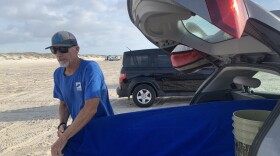 Neil McQueen learned to surf as a Texas teenager, and it changed his life – eventually pulling him away from a career as a plastics engineer and into the fight to save the very waters that shaped him.
 -
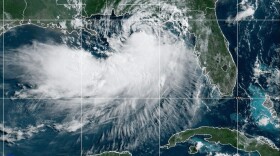 The largest impacts from the storm are expected to be concentrated south of the I-10 corridor.
 -
 In the Netherlands, water has always been both a threat and a triumph. A quarter of the country lies below sea level, and for centuries the Dutch have engineered their way to safety. It’s a place not unlike New Orleans: a delta shaped by risk, resilience, and the belief that with enough ingenuity, water can be controlled. But as sea levels rise, that centuries-old confidence is beginning to crack.
 -
 Public officials, experts and advocates agree the fee is needed to make up a funding gap, but are split on how it should be carried out.
 -
 This is part 3 of our three-part series about elements. And today is a biggie: carbon. When we hear about carbon, it's usually about its role in heating up the planet. And while that's an absolutely critical part of the story, the story of this most miraculous of substances is so much larger.


